Join Our Team Support Our Work Find Your School Psychologist

Comprehensive Behavioral Health Model

Boston's system for student wellbeing, built like a lighthouse

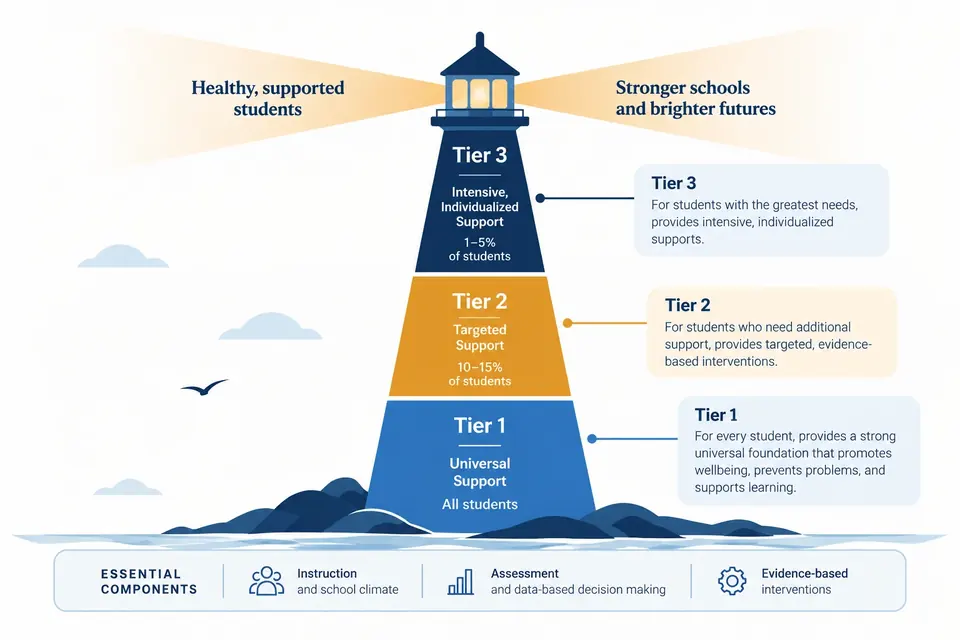
CBHM is a multi-tiered system of supports created by Behavioral Health Services with Boston Children's Hospital and UMass Boston. Prevention for every student forms the base. Targeted and intensive supports rise from it. Data lights the way.

Illustration of the CBHM lighthouse. Tier 1, universal support for all students, forms the base. Tier 2, targeted support for about 10 to 15 percent of students, is the middle. Tier 3, intensive, individualized support for about 1 to 5 percent of students, is the top, with the lamp shining toward healthy, supported students and stronger schools and brighter futures. A footer lists the essential components: instruction and school climate, assessment and data-based decision making, and evidence-based interventions.

The Idea

Most students will succeed, if the system is built for them

CBHM is based on the logic that the majority of students can and will be successful when provided with evidence-informed instruction and preventative interventions. Appropriate interventions, and the use of data to assess progress, help ensure that students who benefit from progressively more intensive services will not need them over the long term.

The model is built on the premise that by integrating behavioral health services into schools, Boston can create safe and supportive learning environments that optimize academic outcomes and meet the social, emotional, and behavioral health needs of all students. It outlines strategies for the district to provide high-quality behavioral health services that every student can access equitably.

CBHM is aligned with Multi-Tiered Systems of Support (MTSS), the three-tier model of service delivery also known as Response to Intervention. It gives BPS school psychologists the structure to practice the expanded role described in the NASP Practice Model and the Massachusetts Safe and Supportive Schools Framework: student-level services such as counseling and individualized interventions, and systems-level strategies such as team facilitation.

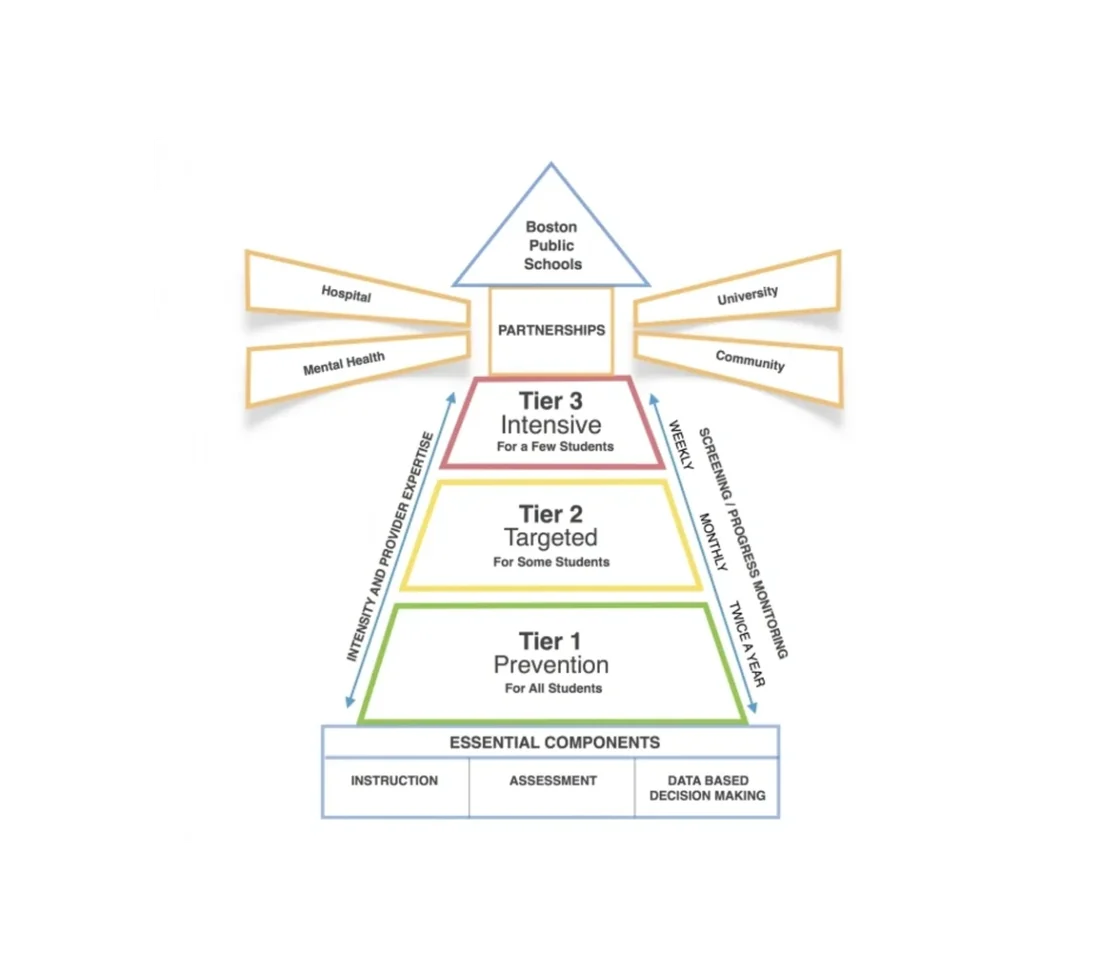
The CBHM logic model diagram: a lighthouse-shaped pyramid with Tier 1 prevention for all students at the base, Tier 2 targeted supports, and Tier 3 intensive supports at the top, resting on team structures, data-based decisions, and professional development
The original CBHM logic model. The lighthouse became the department's symbol.

Three Tiers

Universal support for all. Targeted support when needed. Intensive, individualized support for students with the greatest needs.

MTSS organizes services across three increasingly intensive levels of support. Tier 1 provides a universal foundation for every student. Tier 2 adds targeted supports for students who need more, and Tier 3 provides intensive, individualized supports for students with the greatest needs. Supports are layered: a student receiving Tier 2 or Tier 3 support continues to benefit from Tier 1.

1

Tier 1 — Universal Support

All students
  • Universal screening with the BIMAS-2 twice a year
  • Social emotional learning programs
  • Culturally responsive Positive Behavioral Interventions and Supports (PBIS)
  • Participation in and facilitation of high-quality professional development

BPS in 2025–26
15% of school psychologists' service time: direct work such as SEL lessons and classroom support, and indirect work such as team facilitation

Tier 1 Toolkit
2

Tier 2 — Targeted Support

Typically ~10–15% of students
  • Small groups, academic and social emotional
  • Behavior management strategies such as Check-in/Check-out and Break-Pass
  • Short-term, non-IEP counseling

BPS in 2025–26
19% of school psychologists' service time: mainly consultation, Student Support Team meetings, and non-IEP counseling

Tier 2 Toolkit
3

Tier 3 — Intensive, Individualized Support

Typically ~1–5% of students
  • Crisis intervention
  • Individual counseling
  • Functional Behavioral Assessments and Behavior Intervention Plans
  • Special education evaluations (psychological assessments)

BPS in 2025–26
66% of school psychologists' service time: special education evaluations, IEP and 504 counseling, and crisis response

How School Psychologists Help

Tier 1 is designed so that about 80% or more of students are successful with universal supports alone. The student percentages on the cards reflect typical MTSS expectations, while the BPS percentages show how school psychologists distributed their service time in 2025–26. Service-time figures are from the BHS Annual Report 2025–26.

Data Driven

Universal screening with the BIMAS-2

We use data-based decisions to determine which students need which tier of support. Universal screeners and progress-monitoring tools such as the BIMAS-2 (Behavior Intervention Monitoring Assessment System, Second Edition) are used across the district, with screening each fall and spring.

The BIMAS-2 is a brief, repeatable measure of behavior and social emotional learning skills completed by teachers, parents, and students themselves. It is useful for universal screening, progress monitoring, outcome assessment, and program evaluation, and it runs on a web-based platform with real-time analysis, graphing, and reporting, so school teams can make evidence-based decisions within the MTSS framework.

Screening has run every fall and spring since fall 2013, and more than 18,000 ratings are completed by BPS teachers and students each year. In fall 2025, K–12 teachers completed 13,146 ratings, pre-K teachers completed 1,044 ratings, and students aged 12 and older completed 4,522 self-report ratings. These are counts of ratings by informant, not counts of unique students. Screening data is available to every BPS school, along with coaching and professional development from Behavioral Health Services.

Previous years: in 2024–25, 18,370 BIMAS-2 screenings were completed in the fall and 14,084 in the spring, against a district goal of screening 20,000 students.

Families: if you have questions about the screening process or your child's results, contact your child's teacher, school psychologist, or principal. Family resources
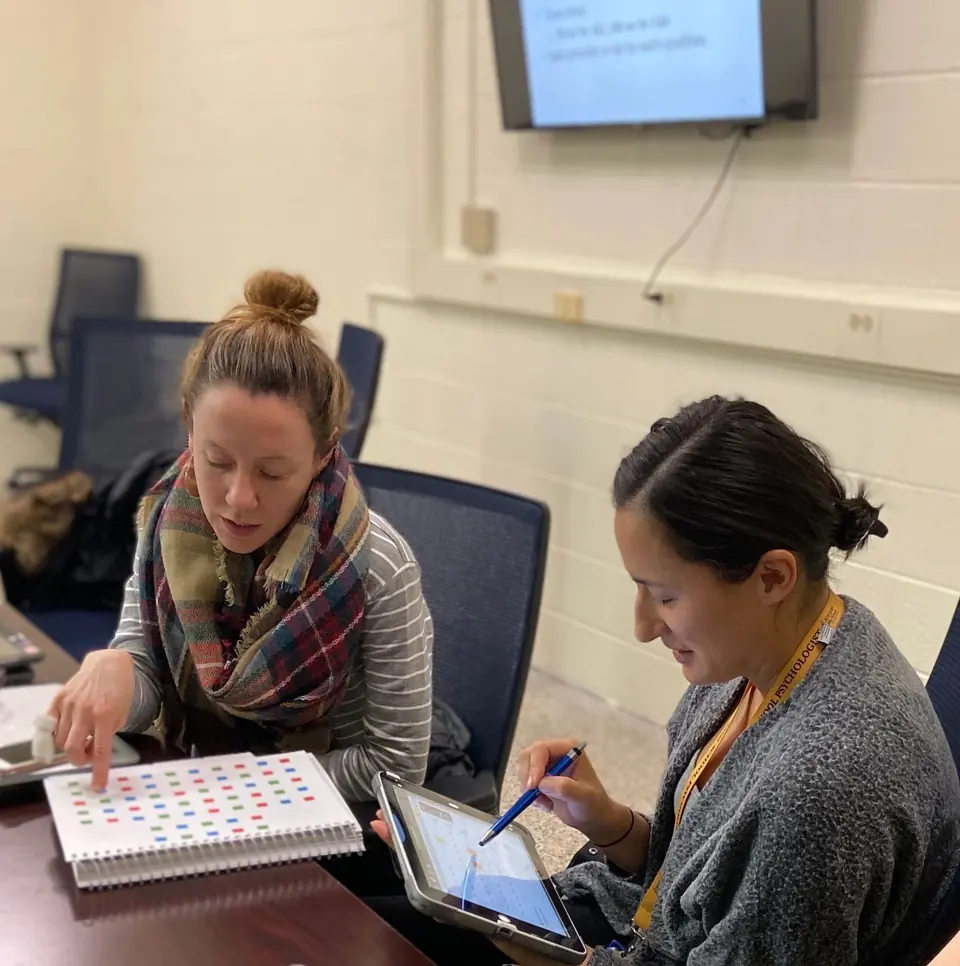
Two school psychologists reviewing student screening data on paper and a tablet

K–12 teacher report, fall 2025

Share of ratings classified at risk, from 13,146 BIMAS-2 teacher ratings

  • Conduct18%
  • Negative affect19%
  • Cognitive/attention26%
  • Social22%
  • Academic functioning20%

Student self-report, fall 2025

Share of ratings classified at risk, from 4,522 self-report ratings by students aged 12 and older

  • Conduct9%
  • Negative affect33%
  • Cognitive/attention28%
  • Social27%
  • Academic functioning15%

Teacher ratings and student self-reports are separate BIMAS-2 measures and are reported separately. Students flagged for thoughts of self-harm receive follow-up from a behavioral health provider within 24 hours. Source: BHS Annual Report 2025–26, Figures 6 and 7.

2025–26 in Numbers

What a year of CBHM looks like across the district

Figures from the department's 2025–26 annual report, compiled from the monthly service data that 104 school psychologists report across the school year.

Read the Full Report
104
School psychologists104.1 FTE, with 10 central office staff and 53 university trainees
109
Schools and early learning centerssupported by school psychologists, along with privately enrolled Boston youth
6,185
Assessments completedat Tier 3: 4,459 in English, 1,016 bilingual, 305 reassigned, and 405 FBAs and BIPs
681
Weekly IEP and 504 counseling casesplus 386 weekly non-IEP counseling cases at Tier 2
2,981
School-based individual criseswith 359 group crises, 404 suicide risk assessments, and 188 threat assessments
34,754
Consultationswith administrators, families, teachers, and community partners at Tier 2, plus 2,440 Student Support Team meetings
144
Professional developments facilitatedand 881 family engagement events at Tier 1
5,973
Direct service hours at Tier 1and 9,687 indirect hours, such as team facilitation and intervention planning
66%
Of school psychologists' time at Tier 319% at Tier 2 and 15% at Tier 1, the prevention level

Source: BHS Annual Report 2025–26 (August 2026), BHS at a Glance and Figure 5, Year-End Report. Counseling cases are weekly caseloads. The 2024–25 figures remain in that year's report.

History

Ten cohorts, then every school

CBHM was developed beginning in 2010 with Boston Children's Hospital and UMass Boston. Over its first decade of implementation, from 2012 to 2022, it was rolled out school by school in yearly cohorts, adding about ten schools a year until it reached 82 of 122 schools and served more than 30,000 students. After the pandemic, the district moved to an integrated MTSS approach, and today the core features of CBHM are available to every Boston public school.

  1. 2010
    The model is developed

    Behavioral Health Services begins developing the Comprehensive Behavioral Health Model with Boston Children's Hospital and the UMass Boston School Psychology Program, with sustained investment from the hospital from 2010 onward.

  2. 2012–13
    First cohort of schools

    Boston Public Schools welcomes the first cohort of schools into the Comprehensive Behavioral Health Model, and the yearly cohort rollout begins.

  3. 2013–14
    Second cohort, and a research team

    A second cohort of schools joins the model and the CBHM Research Team is established to evaluate it.

  4. 2015–16
    Coaching Institute

    The annual Internal Coaching Institute begins, supporting the school-level implementers who lead CBHM in their buildings.

  5. 2016–17
    Cohort trainings for school teams

    Annual CBHM cohort trainings begin for whole school teams.

  6. 2017–18
    17,000 students screened

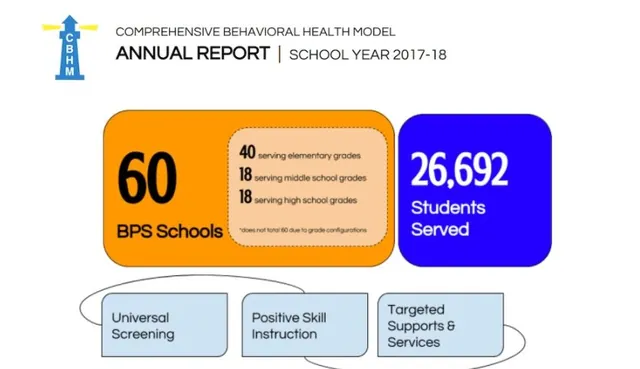
    More than 17,000 students are screened with the BIMAS-2 universal screener.

  7. 2018–19
    Doctoral internship founded

    The Health Service Psychology doctoral internship program is founded, and the Rennie Center publishes its independent study of CBHM the following spring.

  8. 2019–20
    CBHM goes virtual

    Services pivot to virtual delivery during the COVID-19 closure. In January 2020, NASP first recognizes BHS through its Excellence in School Psychological Services program.

  9. 2021–22
    Ten years

    The model marks a decade of implementation. Over its first ten years CBHM reached 82 of 122 schools and served more than 30,000 students.

  10. 2024–25
    Every school, and NASP Exemplary Recognition

    Core features of CBHM are now available to every Boston public school. NASP grants BHS Exemplary Recognition, held by only four districts in the nation.

  11. 2025–26
    A podcast, a research agenda, and a second APPIC cohort

    BHS launches the Boston School Psychs Podcast in October 2025, sets a 2025–2028 research agenda after its first Research Retreat, and graduates its second cohort of APPIC-matched doctoral interns.

Milestones from the CBHM Annual Report 2021–22 (“Celebrating 10 years”) and the BHS Annual Reports 2024–25 and 2025–26.

Research & Reports

The people doing the research, and what they publish

Behavioral Health Services studies its own work. A department research team and its Research & Implementation Committee analyze student outcomes with university and hospital partners, publish what they learn, and report on it every year.

BHS Research Team

Mind the gap between research and practice

The BHS Research Team advances research that strengthens the practice, effectiveness, and impact of school psychologists in the district and beyond. It brings together BHS leadership, district-based practitioners, university trainees, and research partners from universities such as Boston University, Northeastern University, and UMass Boston, hospitals such as Boston Children's Hospital, and professional organizations.

The team's work is guided by the BHS 2025–2028 Research Agenda, set at its inaugural Research Retreat in summer 2025, and reviewed by the Research & Implementation Committee below.

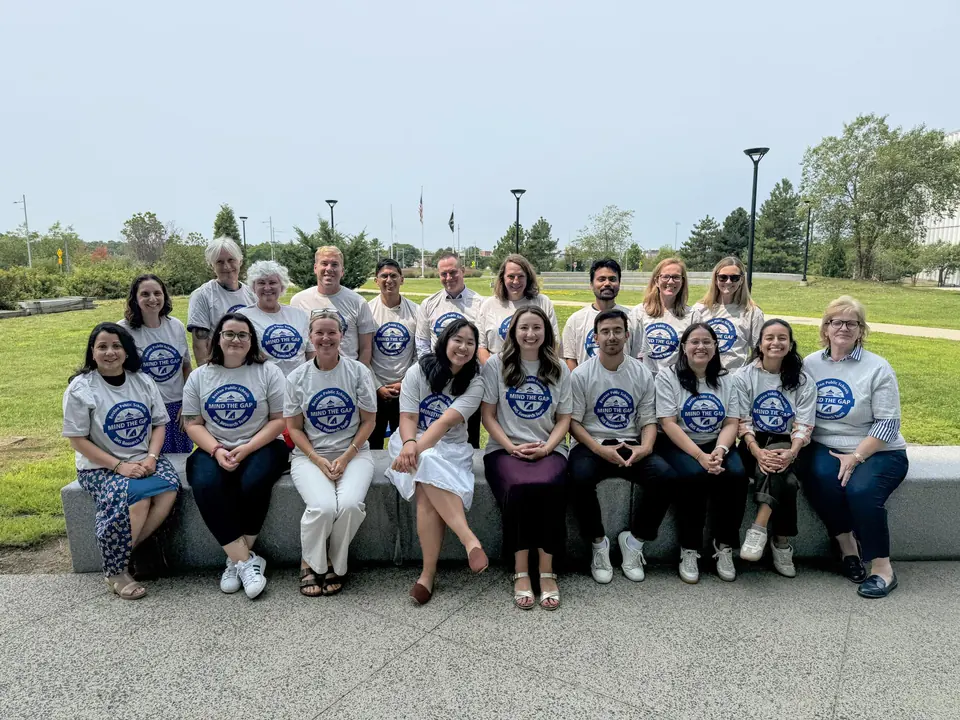
The BHS Research Team, about twenty people in matching Mind the Gap T-shirts, seated and standing outdoors on a sunny day
The BHS Research Team in 2025–26. Photo from the BHS Annual Report 2025–26.

Research & Implementation Committee

Data-based decision making, with university partners at the table

The committee analyzes student outcomes to evaluate the effectiveness of CBHM across the district. Its core members come from within BPS and from our community partners, Boston Children's Hospital, UMass Boston, and Boston University, and it welcomes graduate and undergraduate students working on CBHM-related projects. It is one of six department-wide committees, alongside Equity, Multilingual, University Supervision, AI, and Communications.

Andria Amador, Ed.D., NCSP

Senior Director, Behavioral Health Services

Carolyn Hall, Ph.D., NCSP

Research and Implementation Coordinator

Alex Freeman, Ed.S.

CBHM Coach

Alexis Ervin, M.Ed.

Project Manager, Behavioral Health Services

Amy Briesch, Ph.D., NCSP

Professor of Applied Psychology, Northeastern University

Brian Daniels, Ph.D., NCSP

Professor of Counseling and School Psychology, UMass Boston

Jen Green, Ph.D.

Professor of Special Education, Boston University

Lindsay Fallon, Ph.D., LP

Professor of Counseling and School Psychology, UMass Boston

Melissa Pearrow, Ph.D., NCSP

Professor of Counseling and School Psychology, UMass Boston
Publishing research on CBHM? To submit a scholarly pursuit, contact Carolyn Hall at chall2@bostonpublicschools.org.

2025–26 Accomplishments

The first year under the 2025–2028 Research Agenda

In 2025–26 the BHS Research Team:

  • developed research questions and established data analysis plans;
  • developed and distributed two surveys to more than 100 BHS school psychologists;
  • received university IRB approval for two longitudinal data studies;
  • gave eight national conference presentations, at the 2025 Advancing School Mental Health Conference in Orlando and the 2026 NASP Annual Convention in Chicago; and
  • drafted five policy papers.

Source: BHS Annual Report 2025–26.

Articles and publications

BPS CBHM: Research and evaluationThe final article in the series highlights the research and evaluation practices used to support CBHM implementation.NASP Communiqué, part 3 of 3
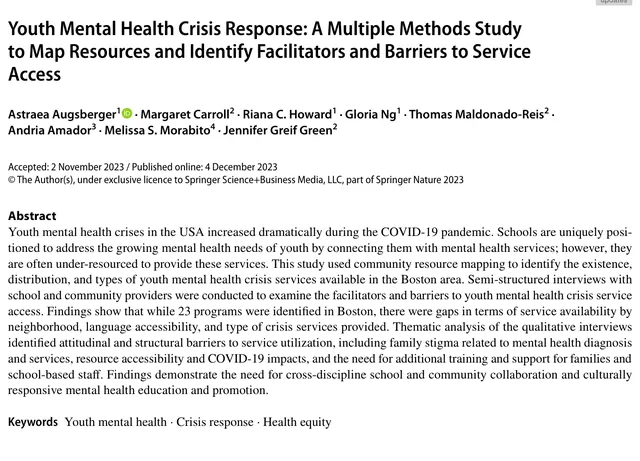
Youth Mental Health Crisis Response: A Multiple Methods Study to Map Resources and Identify Facilitators and Barriers to Service AccessA Boston-based study mapping youth mental health crisis resources and the barriers and facilitators that affect access to them. Coauthored by Senior Director Andria Amador, it found gaps in service availability by neighborhood, language access, and crisis type, and calls for school–community collaboration and culturally responsive mental health education. School Mental Health, vol. 16, pp. 95–110, doi 10.1007/s12310-023-09621-x.School Mental Health, 2024
Foundational reports

Health of Boston's Children

The report commissioned by Mayor Menino. CBHM work across the district is designed to significantly improve many of the outcomes it describes.

Creating Safe, Healthy, and Supportive Learning Environments

The final report of the Massachusetts Behavioral Health and Public Schools Task Force, whose findings drive statewide policy and CBHM work in BPS.

RtI: A Primer for Parents

NASP's information sheet on Response to Intervention, the approach CBHM uses to address the behavioral health needs of Boston's children.

Annual Reports

What the data says, every year

Each report reviews student behavioral health outcomes, the reach of universal screening, and what the department learned. The 2025–26 edition is the latest. The 2024–25 edition was the first full Behavioral Health Services annual report.

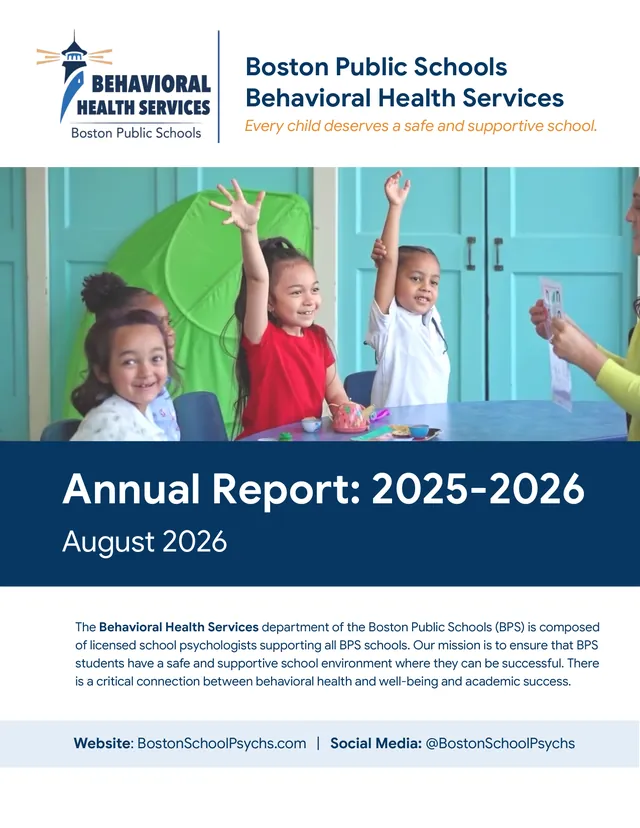
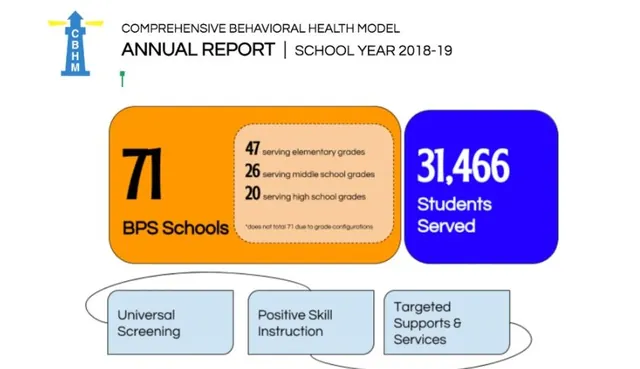
BHS Annual Report 2025–26Staffing, year-end service data, fall 2025 screening results, partnerships, research, and grants for the 2025–26 school year (August 2026).Latest report · 2025–26
BHS Annual Report 2024–25The department's first full annual report: staffing, screening results, partnerships, grants, and future directions for the 2024–25 school year.Report · 2024–25
CBHM Annual Report 2021–22The 10-year anniversary edition: successes, challenges, and lessons from the first decade of CBHM.Report · 2021–22
Newark ReportA report highlighting effective school mental health efforts around the country, including CBHM.External evaluation
Bringing CBHM to your district?Boston's team has consulted with districts and universities across the country.
National Partnerships